

Pling! Sound and Design.
26.05.2026Why does a Ferrari sound like a Ferrari – and why do sound engineers at BMW work so hard on the sound of their car doors? Why can we instantly recognise brands like Migros by the sound of their acoustic logos? And what does Ricola have in common with the PostBus? The current exhibition Pling! Sound and Design’ at the Museum für Gestaltung Zürich impressively demonstrates how sounds shape our perception and how hearing, as a design method, opens up new approaches, for example in architecture, interior design and urban planning.
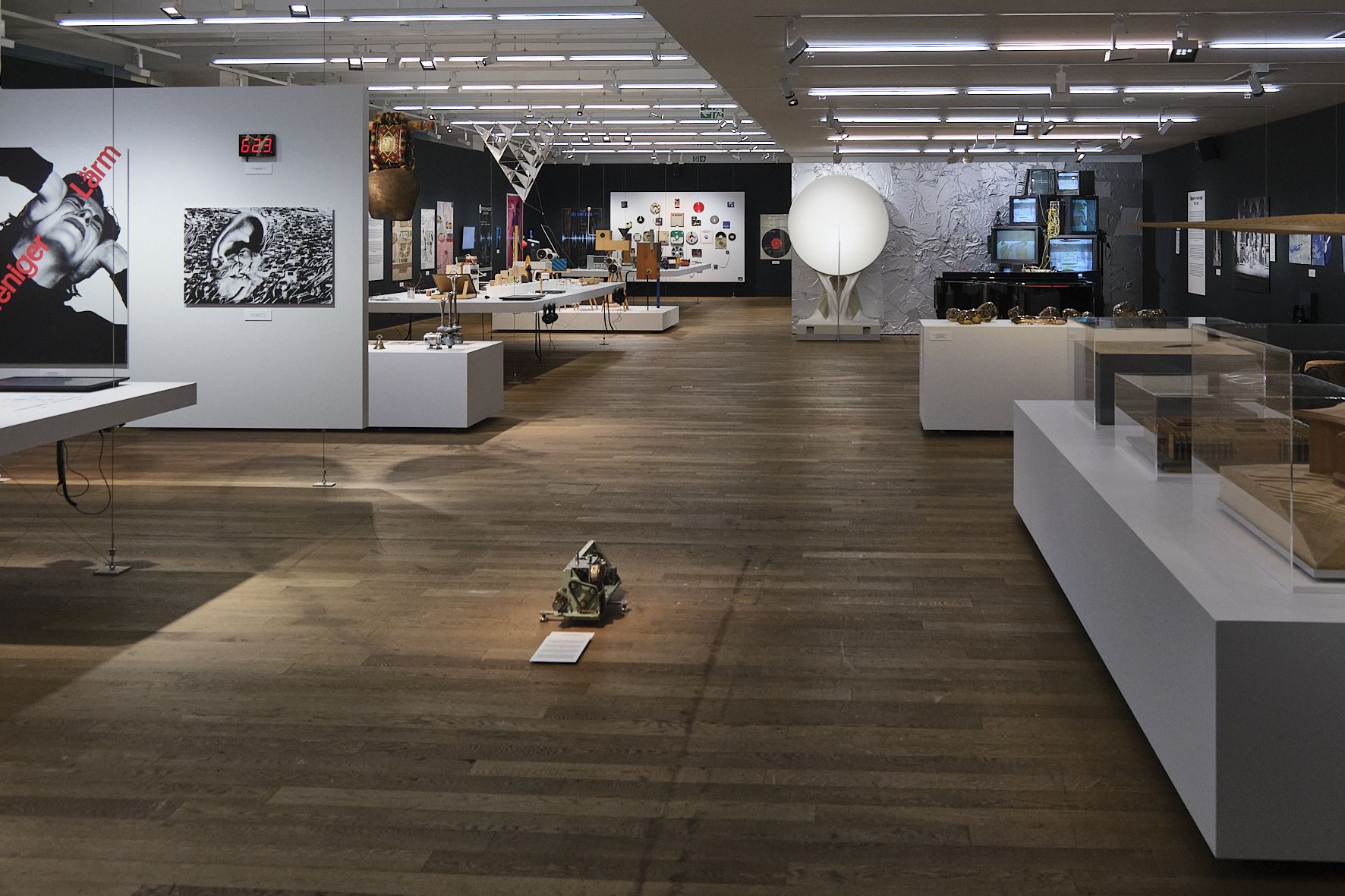
The interplay of the senses in space
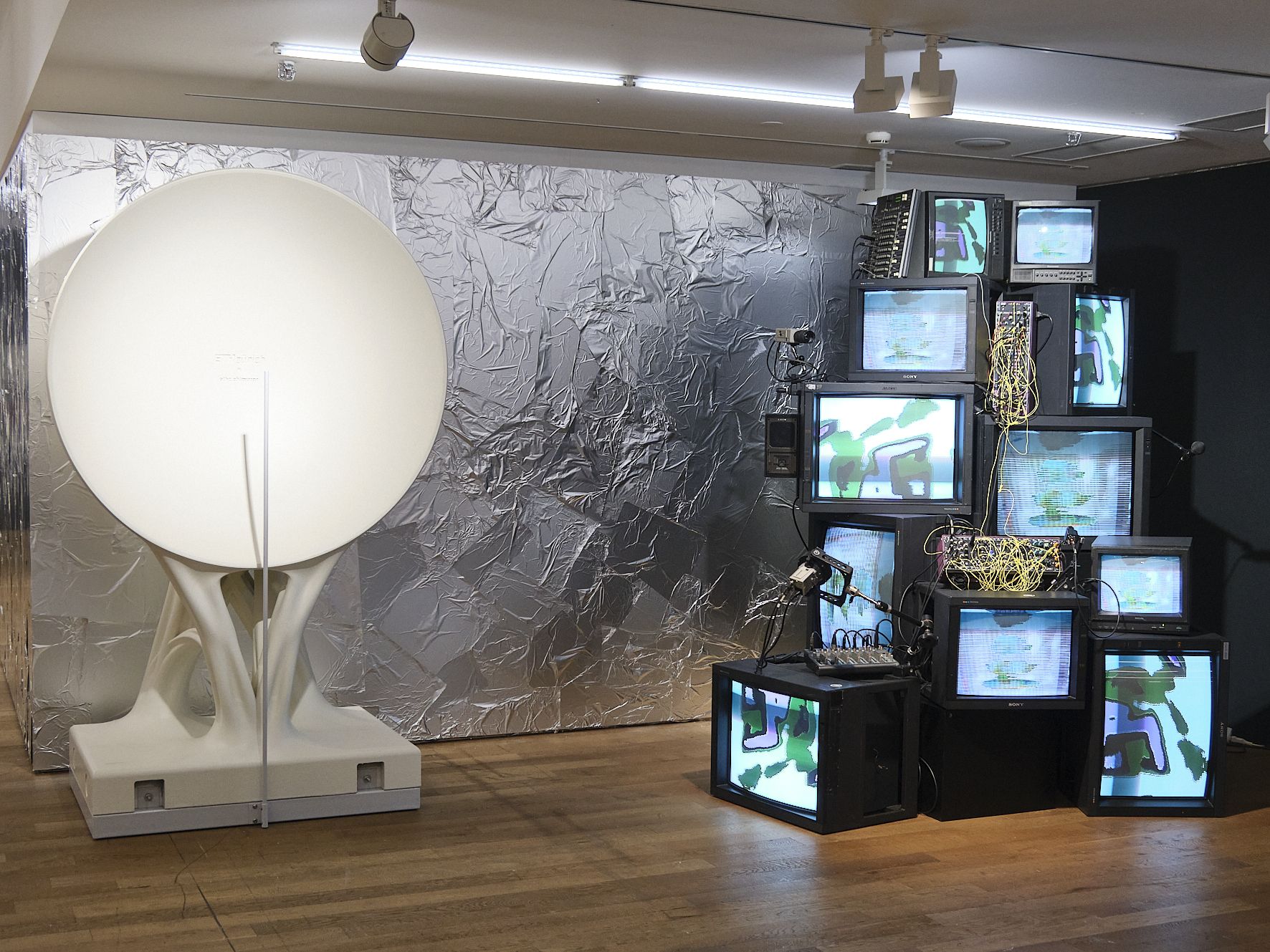
Pling! – Design can also be heard. In the modern design of exclusive living spaces, the auditory experience is increasingly coming into focus. Yet perception is by no means limited to the sense of hearing alone: we also hear with our eyes and see with our ears. The visionary exhibition at the Toni-Areal in Zurich demonstrates, through pioneering projects in design, architecture, research and art, how these senses interact synergistically. An understanding of sound opens up entirely new approaches to our designed environment and also changes the way we perceive and conceive of living spaces.
From acoustic signals to spatial quality
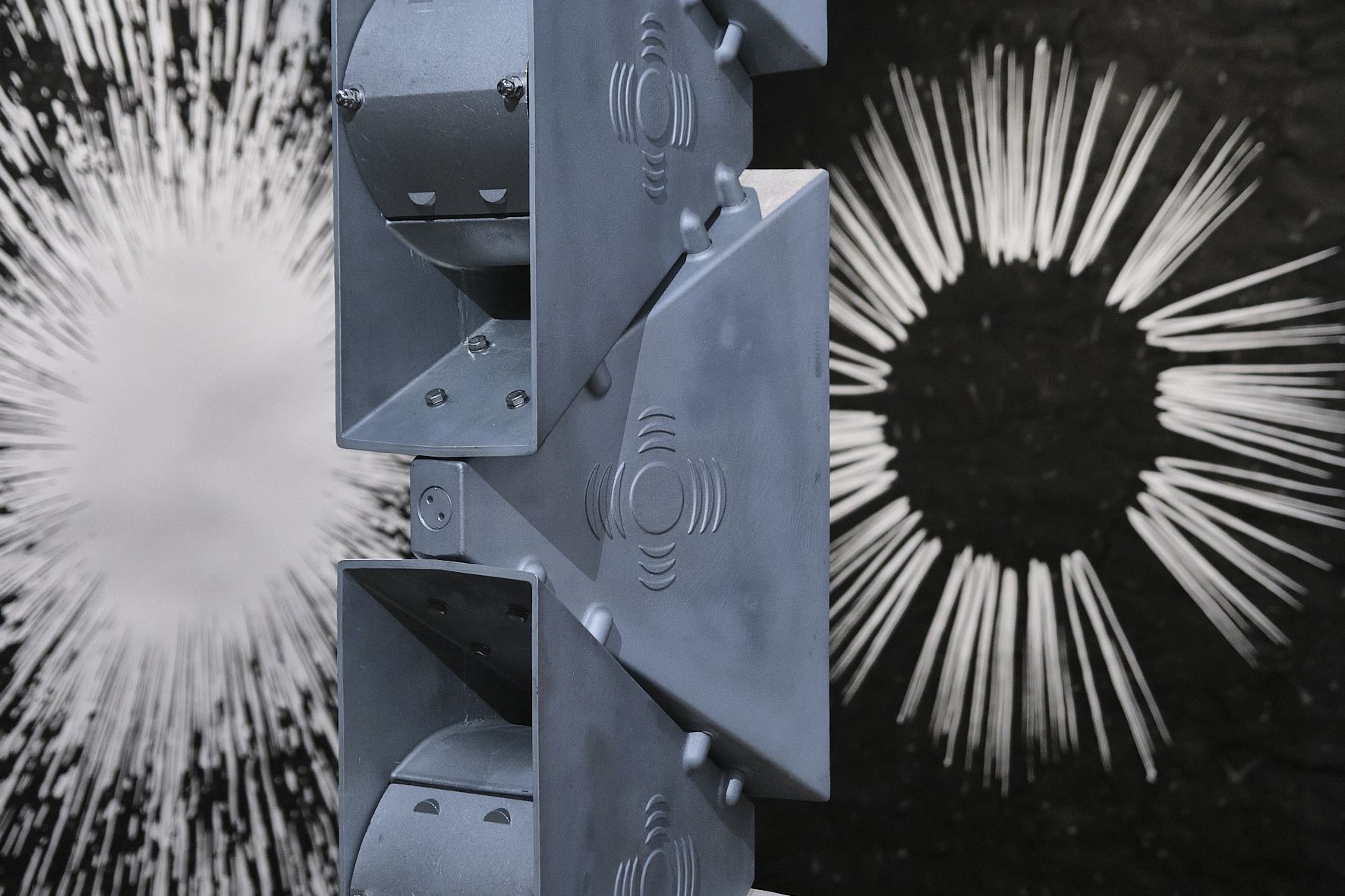
Our environment has always been shaped by acoustic stimuli. Shrill sirens and everyday alarms activate our bodies and control our behaviour. Across seven chapters, the exhibition explores the entire spectrum of sound – from disruptive noise and acoustic phenomena to perfect harmony. It explores the profound social and emotional significance of sound waves, which are often taken for granted. What do we perceive as pleasant, and what as a burden? As constant exposure to noise has been shown to cause ill health, modern noise protection in today’s architecture is far more than a purely technical necessity: it is a demanding design challenge.
“At a time when digital interfaces dominate our daily lives, products communicate in an increasingly automated manner and cities are becoming ever more densely populated, the acoustic quality of spaces and objects plays a decisive role. Today, more than ever, design faces the task of consciously shaping sound – as part of user experience, spatial orientation and social participation,” says Meret Ernst, curator at the Museum für Gestaltung Zürich.
The invisible soundtrack of design
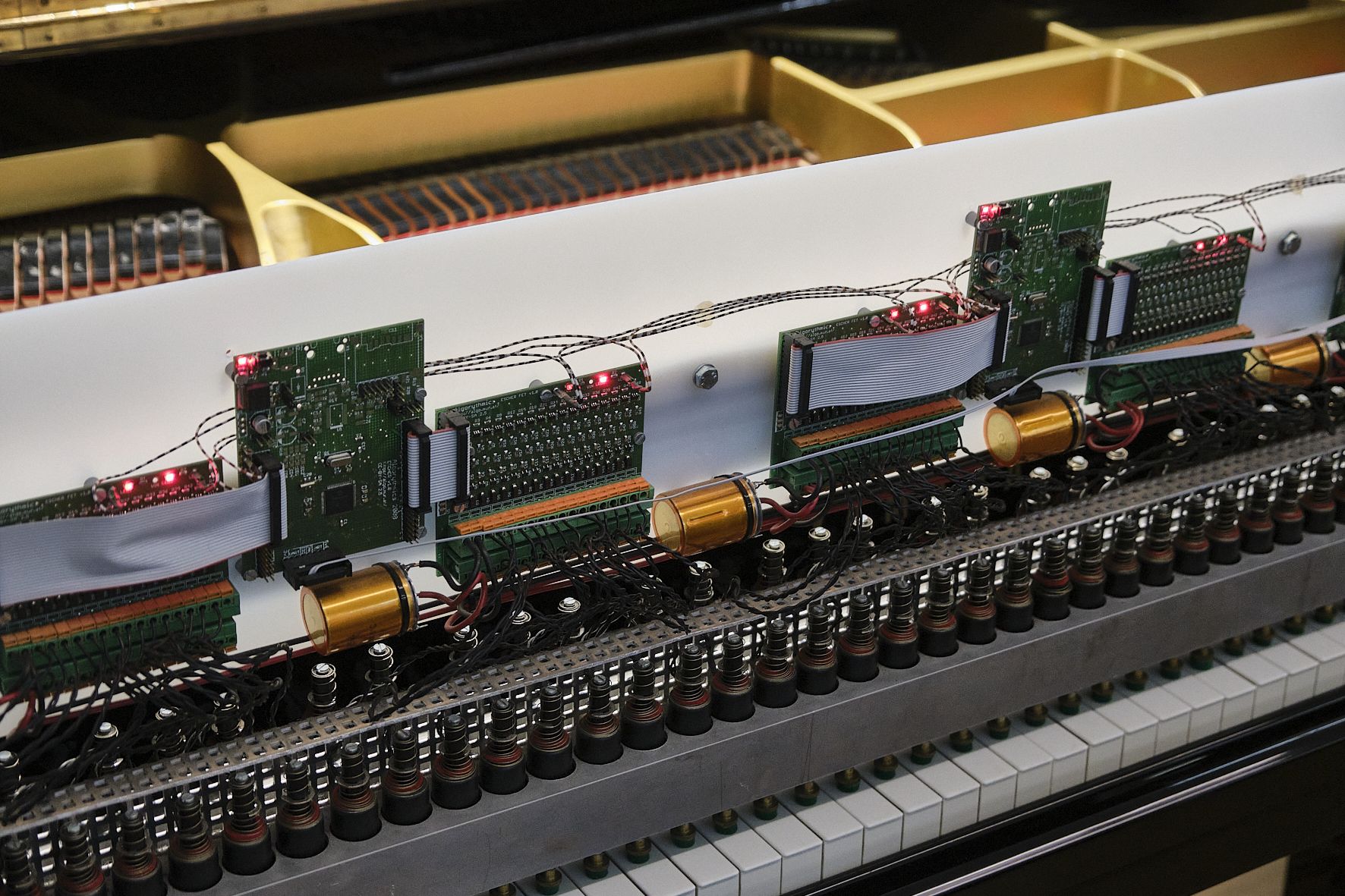
However, before sound can be deliberately staged, we must understand what we actually hear – and what we fail to hear. Disciplines such as bioacoustics, sound studies and artistic research provide valuable insights in this regard, which are incorporated into architecture and resident-oriented urban planning. Acoustics forms the foundation for ensuring that communal living in densely populated, urban spaces functions effectively.
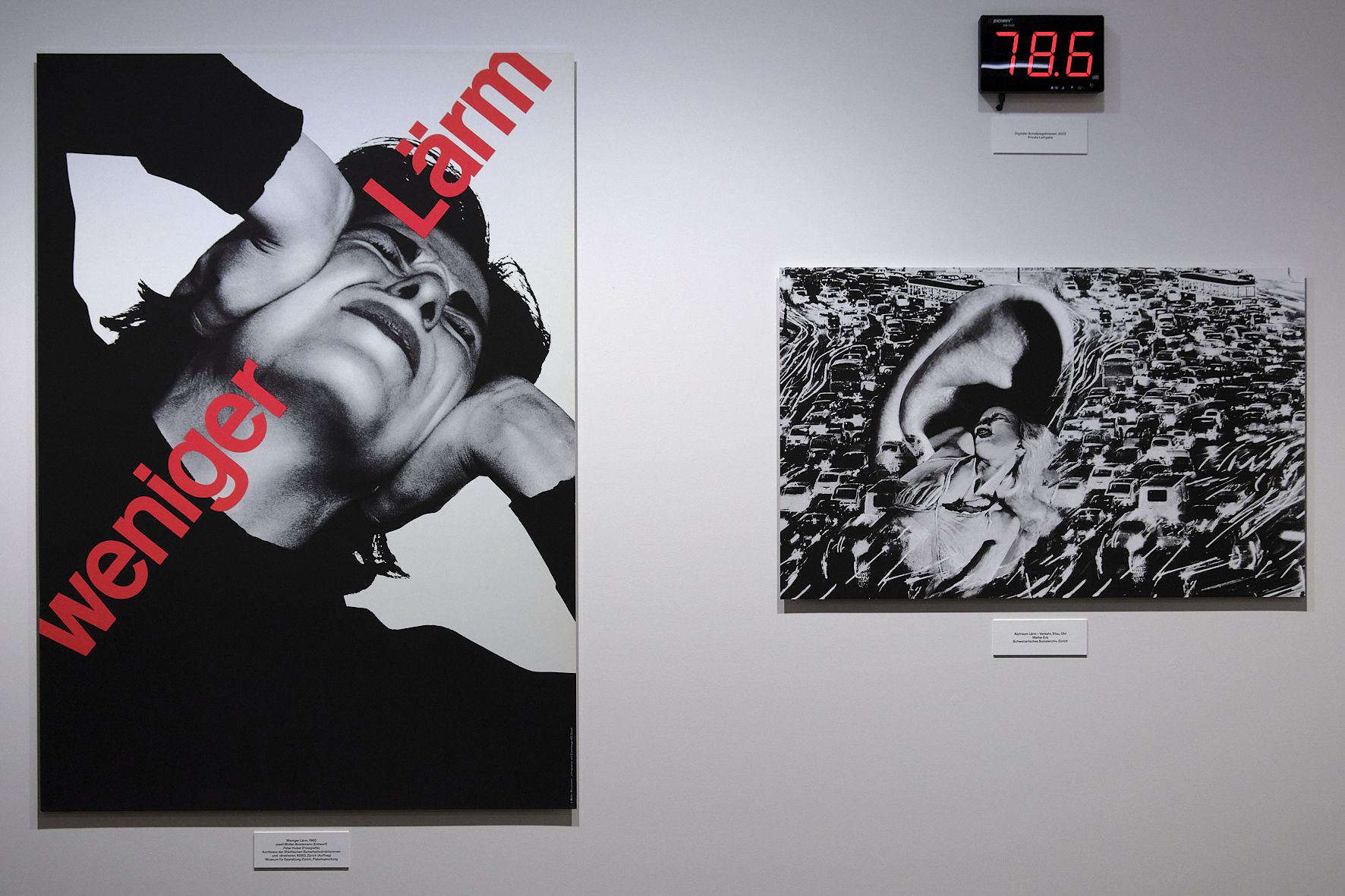
At the same time, modern design has long been shaping the ‘soundtrack’ of objects that originally made no sound at all: from a company’s identity, the signal of a traffic light or the aforementioned click of a car door, right through to the acoustic attention-grabbing cues of our smartphones. Modern engineering ensures that these stimuli reach our ears and bodies in exactly the right dosage, whilst unwanted sound is elegantly dampened, regulated or eliminated.
Is there such a thing as the perfect sound space?
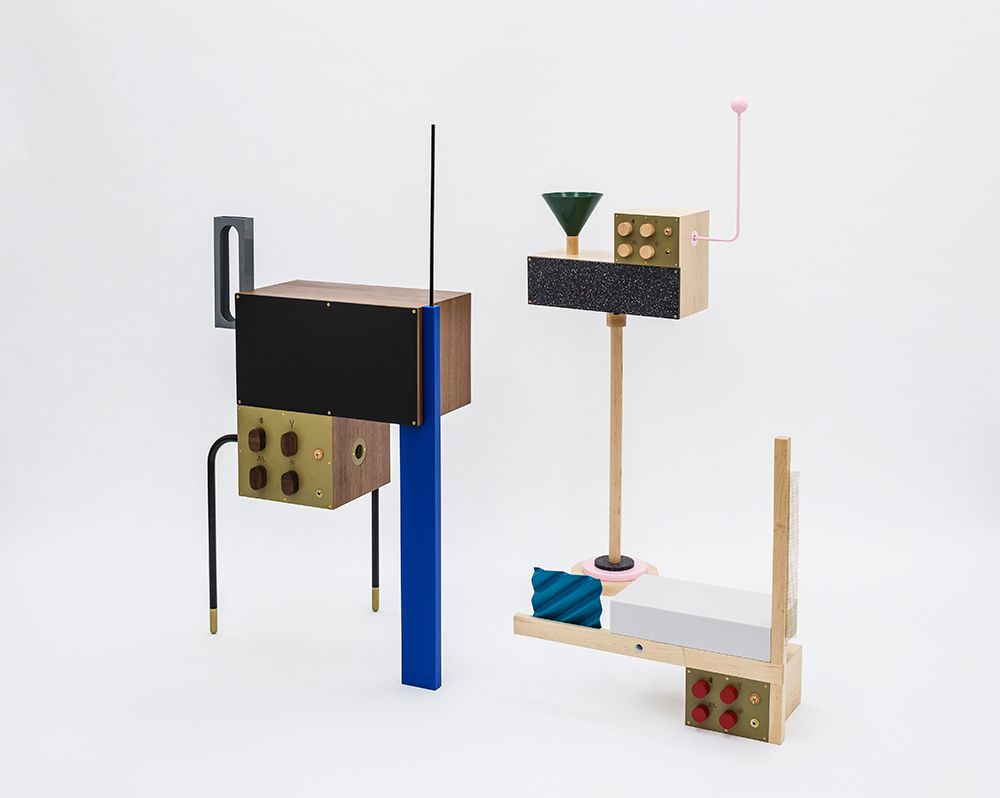
An absolute highlight for aesthetes is the so-called Listening Room at the end of the exhibition. Equipped with an exquisite high-end audio system, it invites visitors to immerse themselves in the highest possible sound quality and experience first-hand the intense, almost spiritual effect of a concentrated listening experience. For audiophiles, this is the fulfilment of the dream of having their own concert hall.
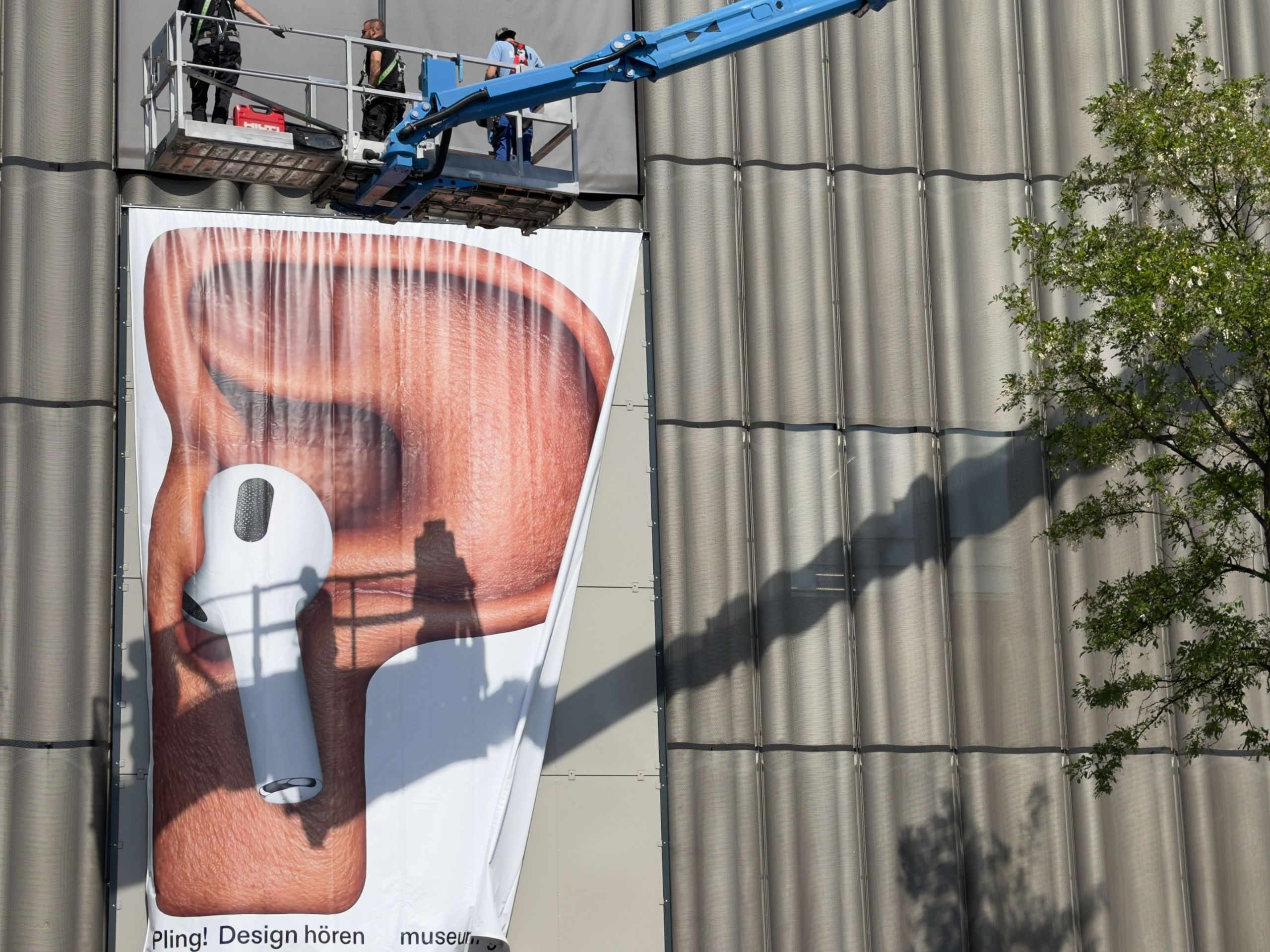
The exhibition ‘Pling! Hearing Design’ offers interesting insights for those interested in exclusive property. Today, a top-class property is defined by holistic well-being – with room acoustics and the absence of noise sources contributing to true exclusivity. Take this opportunity to open your eyes – and your ears – to the next level of sophisticated living. A visit to the Toni-Areal also changes, among other things, your understanding of how luxury properties should sound.
Exhibition profile: Plan your visit
The exhibition at the Museum für Gestaltung Zürich (Toni-Areal), Pfingstweidstrasse 96, 8005 Zurich, runs from 22 May to 20 September 2026.
Opening hours: Tuesday–Sunday 10am–5pm, Thursday 10am–8pm (free admission on Thursdays from 5pm)
Supporting programme: Exhibition talks, listening sessions, sound tours and exclusive workshops
Further details: museum-gestaltung.ch/visit