

Venice: the Biennale as a starting point.
15.06.2026The Art Biennale challenges us, unsettles us and sometimes leaves us at a loss. And yet: anyone who visits Venice solely for the art – or avoids it because of its apparent incomprehensibility – misses out on one of the most sensuous cities in the world. A plea for the lagoon city, away from the hustle and bustle.
The Art Biennale: A wonderful occasion, an enigmatic experience
Every two years, Venice transforms into the world capital of contemporary art. The Venice Biennale – founded in 1895, making it older than many a nation state – fills the Giardini and the Arsenale with installations, videos, sculptures and concepts from all over the world. Pavilions from over 80 countries, thousands of works, months of preparation.
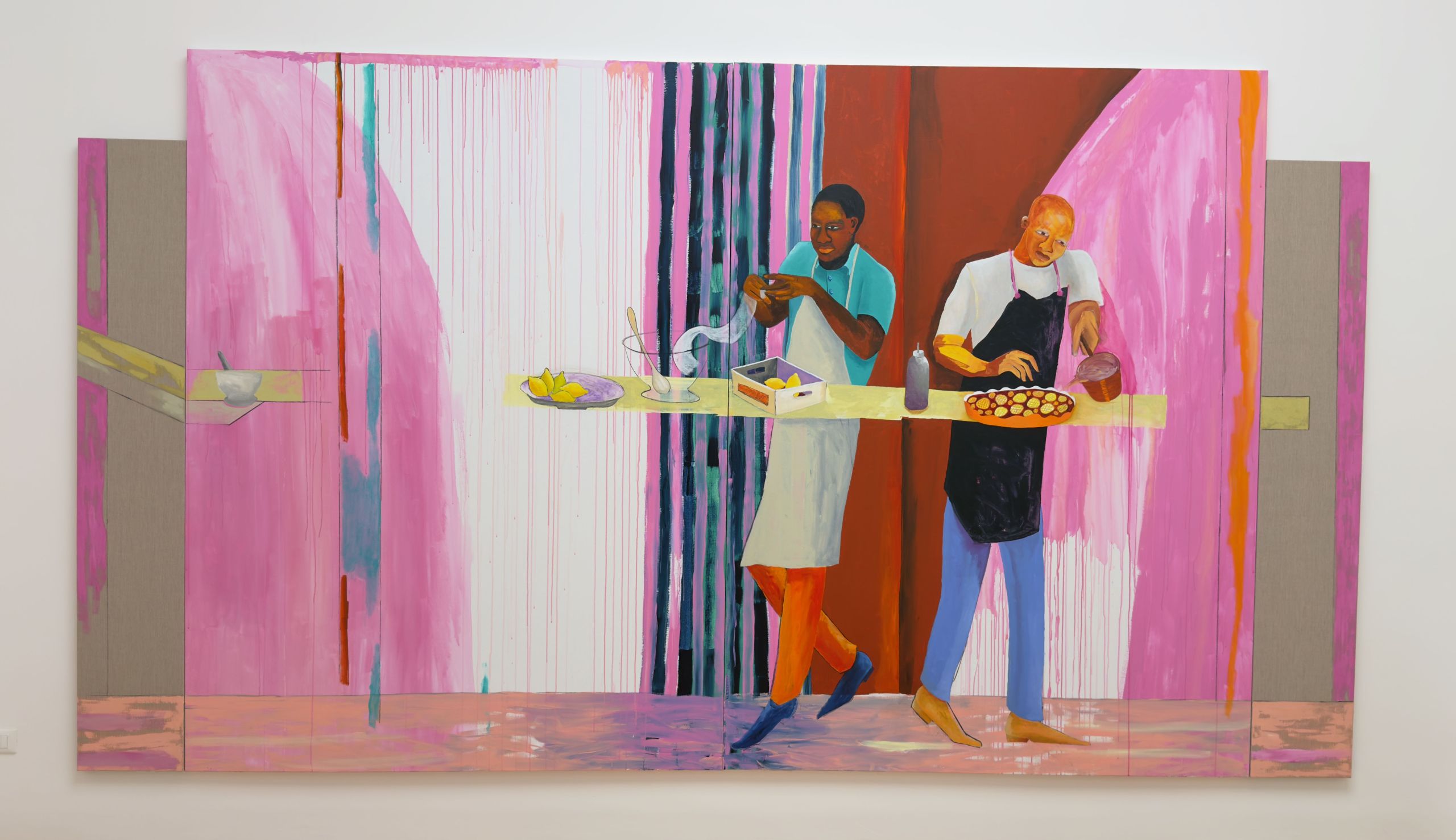
And then you stand in front of it. In front of an empty room with a humming neon tube. In front of a mountain of broken plates. In front of a video that has been running for 47 minutes and in which a voice recites numbers.
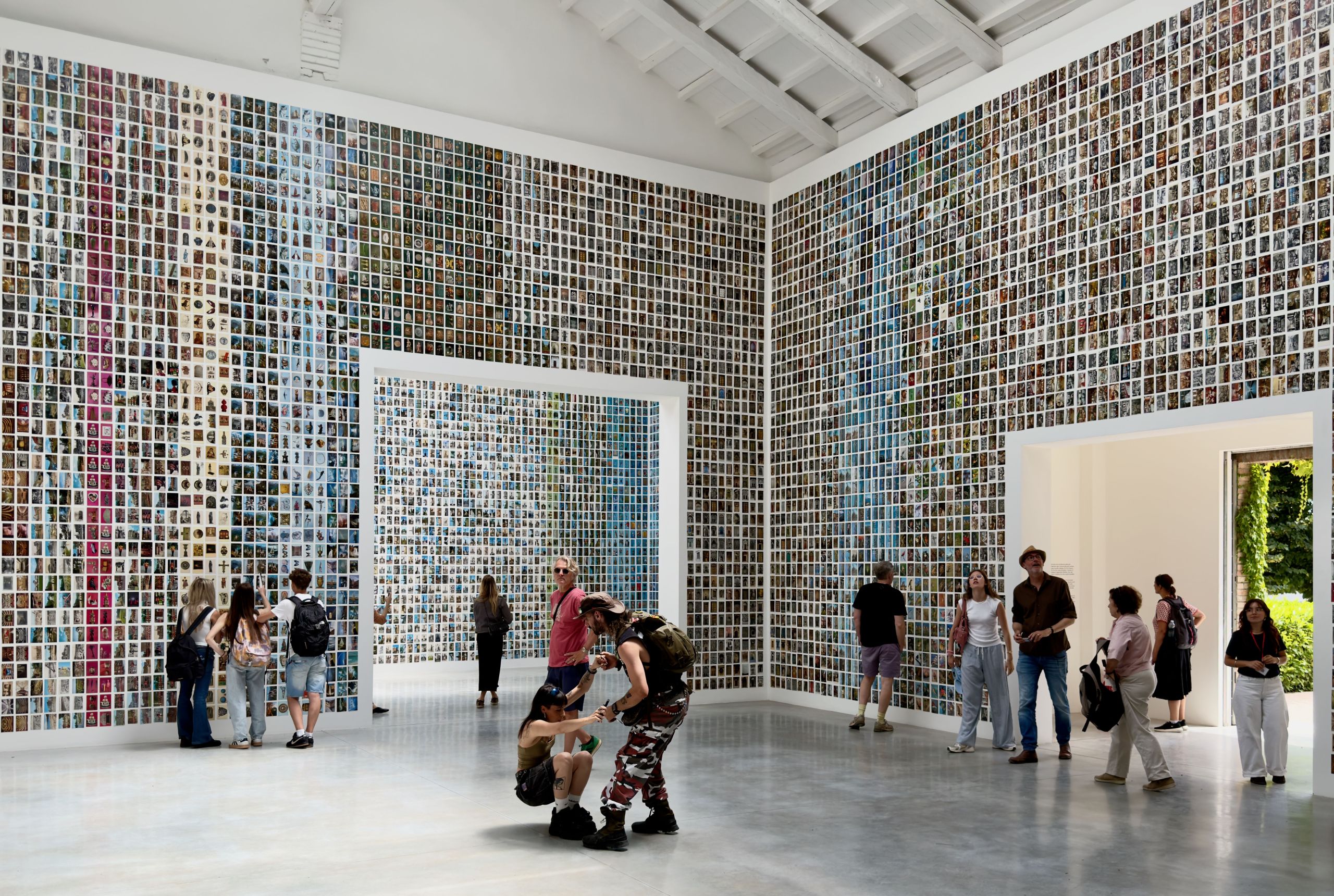
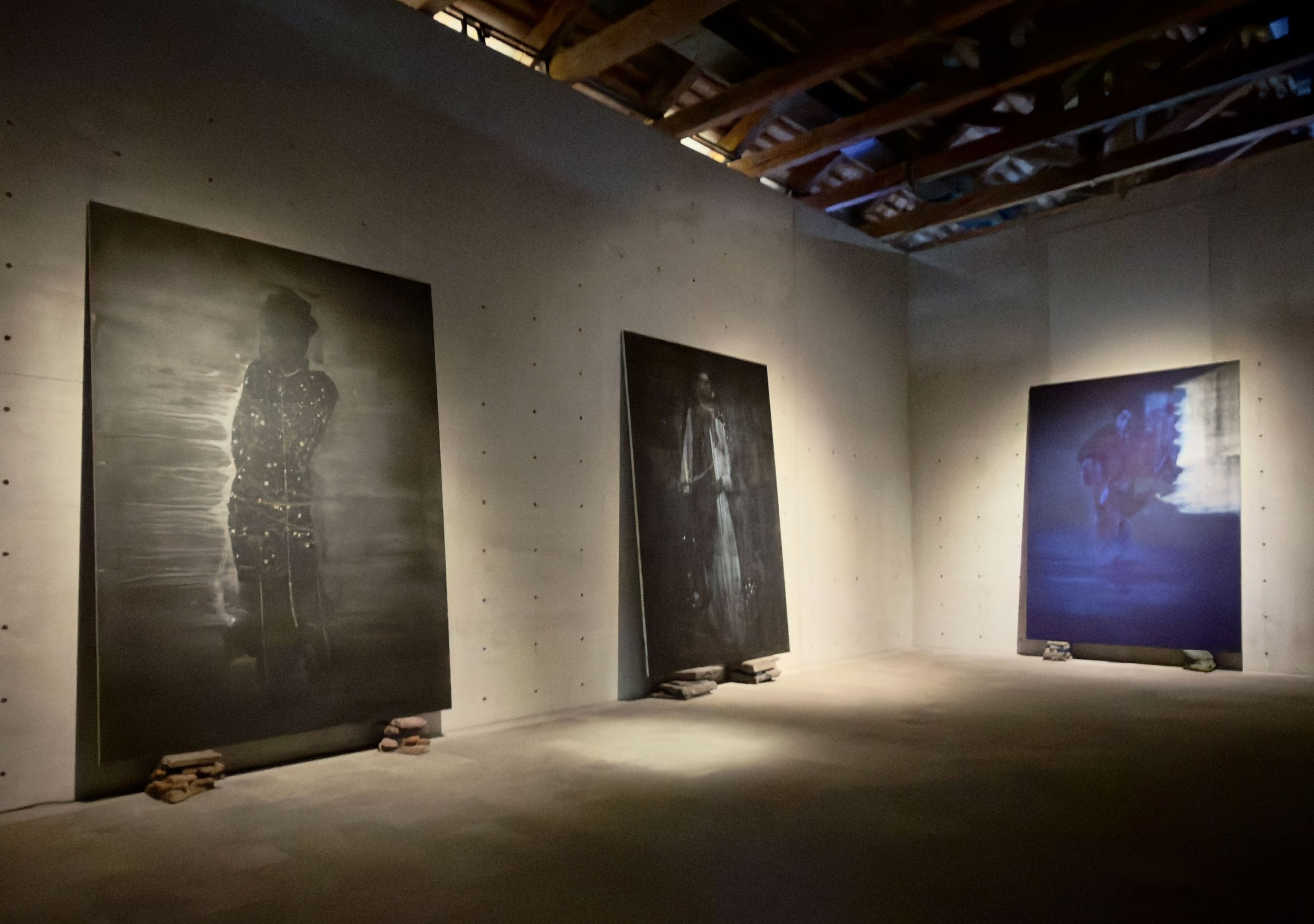
Contemporary art does not presuppose a promise of beauty – it demands engagement, at times patience, sometimes simply a willingness to feel uncomfortable. This is not a weakness on the part of the viewer. It is the concept. Anyone who expects to understand immediately is expecting too much. However, those who allow themselves to be drawn in – by the atmosphere, the unease, the dialogue between work and space – often find more than they were looking for.
And even if not: Venice remains.
A city older than any exhibition
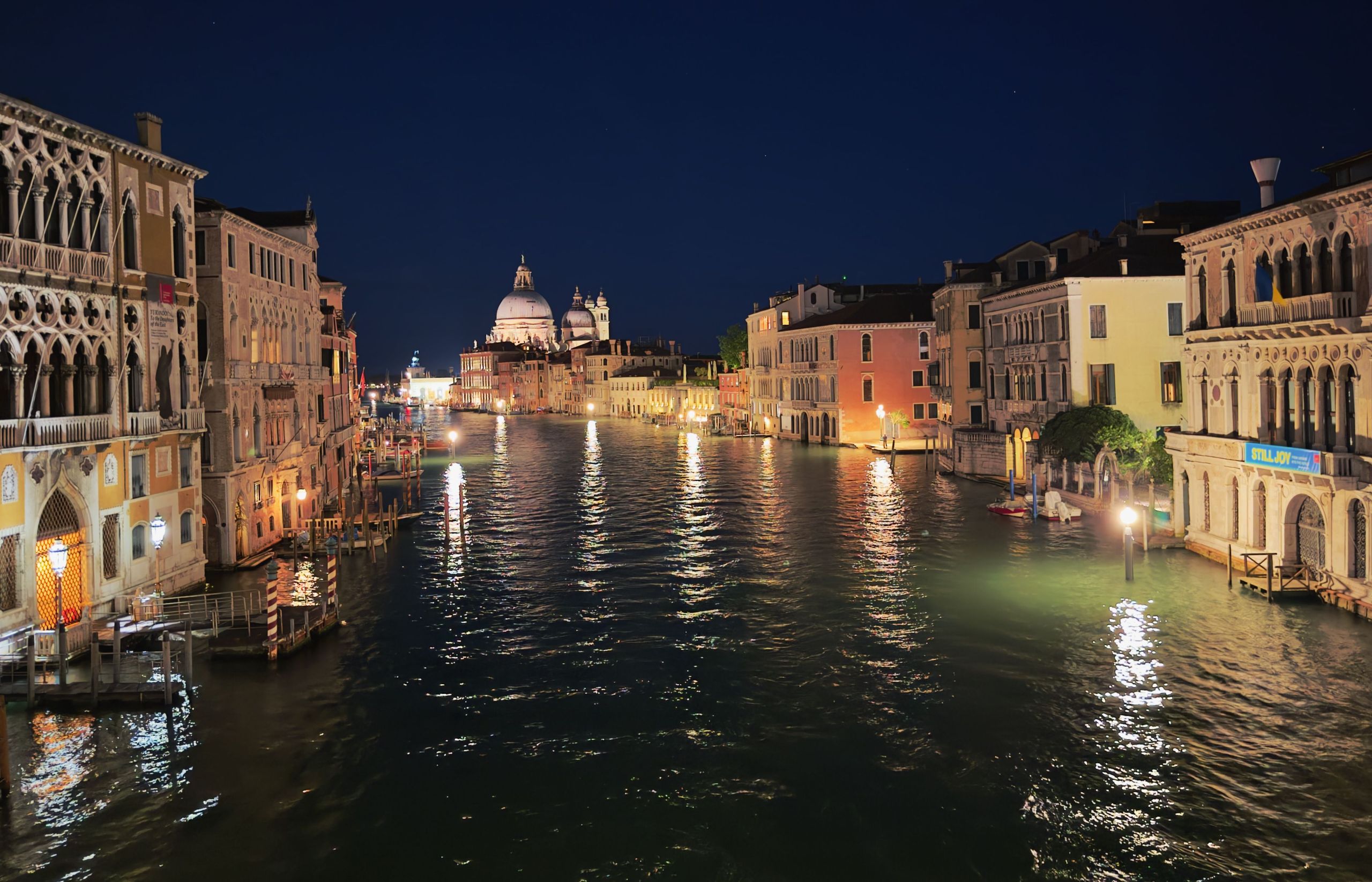
Venice was not built. It was invented. Rammed into the sea on stilts, grown together on islands, connected by canals and bridged by bridges. No other European city bears the story of its origins so openly on its face as this one – every palace a chapter, every canal a leap through time.
The old town is a UNESCO World Heritage Site and yet changes daily: the light on the water at six in the morning is not the same as at ten. The reflections in the canals paint pictures that no artist in the Giardini can surpass. Anyone who understands that Venice itself is the greatest work of art will see the Biennale with fresh eyes.
Alone through the alleys: The other city
Venice attracts millions of visitors every year. The vast majority of them are concentrated within a few kilometres: St Mark’s Square, the Rialto Bridge, the Riva degli Schiavoni. Those who avoid these hotspots discover a different city.
Sestieri such as Cannaregio, Santa Croce or Castello have alleys that have hardly changed, where laundry hangs between the windows, a kiosk sells the Gazzetta dello Sport and the neighbourhood children play football. No souvenir shops. No selfie sticks. Just the gentle lapping of the water and the echo of one’s own footsteps on the stone.
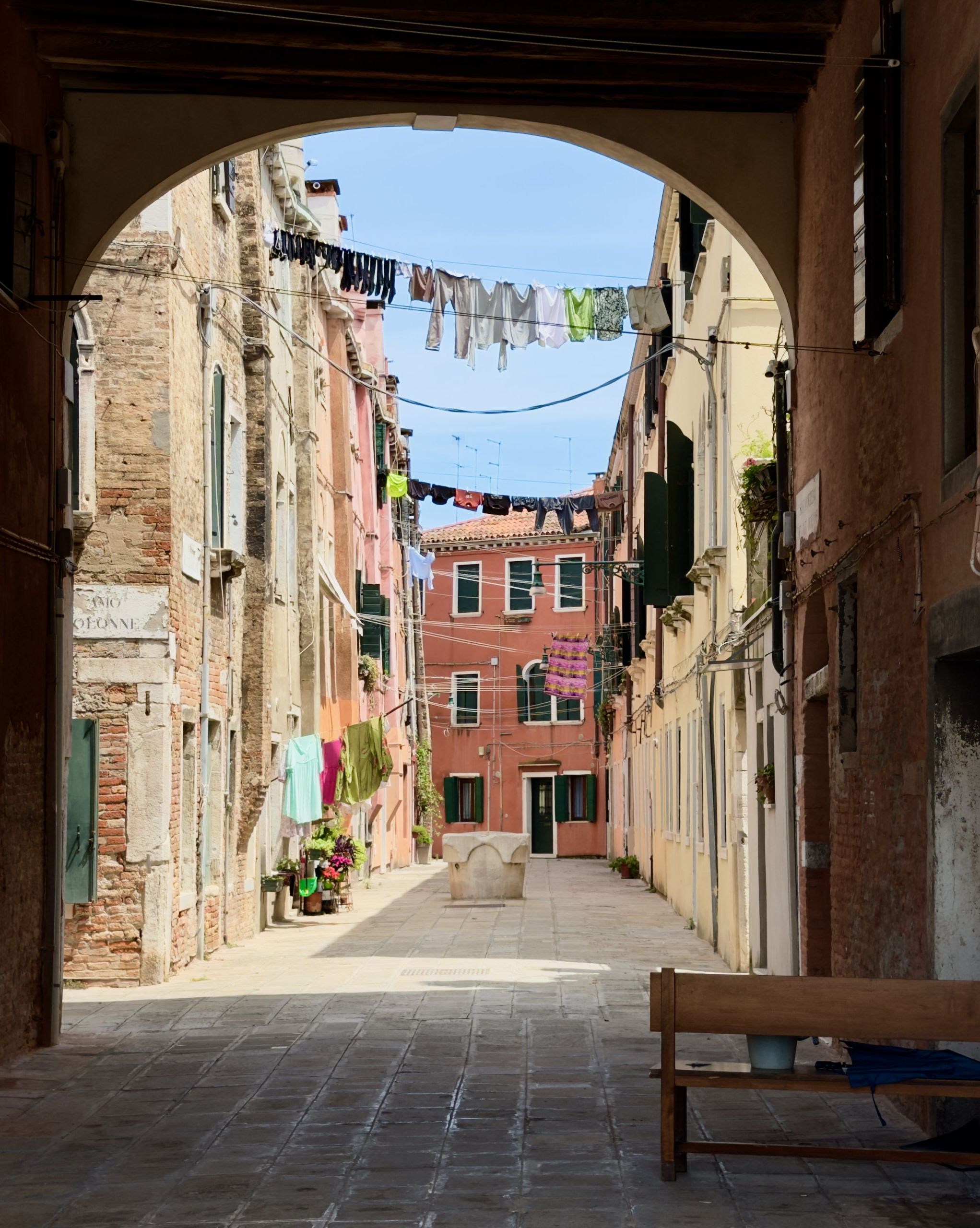
Venice is one of the few major cities in the world where you can get lost on foot and without a map – and yet not get lost, but arrive. Those who rise early and choose the side streets move through a city that is still asleep, still breathing, still belonging to no one but itself.
Palaces and museums: world-class beauty
Alongside the Biennale, Venice offers a cultural programme that is unrivalled.
The Gallerie dell’Accademia house the most significant collection of Venetian painting from the 14th to the 18th century – Bellini, Titian, Tintoretto, Veronese. A single visit is not enough. The Peggy Guggenheim Collection in the Palazzo Venier dei Leoni on the Grand Canal is the opposite: modern 20th-century art, from Picasso to Pollock, in one of the city’s few single-storey palazzi, which opens directly onto the water with its garden.
The Palazzo Grassi and the nearby Punta della Dogana – both owned by the collector François Pinault – showcase contemporary art of the highest curatorial standard, in buildings that alone are worth the visit.
The Ca’ d’Oro, one of the city’s most beautiful Gothic buildings, houses the Galleria Franchetti with Mantegna’s famous “San Sebastiano”.
And anyone who steps inside the churches – Santa Maria dei Frari, San Zaccaria, San Giovanni e Paolo – will find works there that would enjoy world fame in any other museum. Here, they simply hang there. Amidst candles and marble floors. In some churches, to mark the Biennale, one finds here and there artistic gems of contemporary art – as a sort of pop-up museum.
Cuisine: More than just pasta and Prosecco
Venetian cuisine is a cuisine of the sea and the market. A visit to the Mercato di Rialto early in the morning reveals what the lagoon has to offer: prawns, cuttlefish, mussels, sea bass, sea bream. Venetian cuisine is authentic, seasonal, and far more refined than its reputation suggests.
An evening of cicchetti in one of the old bacari – small wine bars in Cannaregio or Dorsoduro – offers street food at its finest: small bites on bread, a glass of ombra (a small glass of white wine), and conversation at the bar. For little money, with plenty of atmosphere.
Those looking for a slightly more upmarket dining experience will find down-to-earth cuisine of exceptional quality in restaurants such as Trattoria Antiche Carampane, not far from the Rialto – or at Alle Testiere, a tiny, hard-to-book spot in Castello, which offers one of the city’s most compelling seafood menus. And: the legendary Gelateria Nico on the northern bank of the Dorsoduro district is well worth a mention; thanks to the phenomenal quality of its offerings, it’s worth a daily visit – especially in the evening sun with an unobstructed view of Giudecca.
Why it’s worth it – even without an appreciation of art
You don’t have to understand the Biennale to be moved by it. And you don’t have to be able to explain Venice to feel that this city has a profound effect on you.
It is no coincidence that Venice has attracted merchants, poets, painters, architects and – yes – investors for centuries. The city has something that cannot be replicated: a unique blend of transience and permanence, of beauty and decay, of cosmopolitanism and intimate seclusion.
Anyone who thinks in terms of property – in terms of quality, location and lasting value – understands Venice intuitively. Nothing here has come about by chance. Every stone has paid a price to lie in precisely this spot.
Not least for this reason, Christie’s International Real Estate currently offers around 20 truly exclusive properties for sale in the city of Venice and its immediate surroundings, including palazzi right on the Grand Canal.
The Biennale opens the gateway to the city. What lies beyond is greater than any exhibition.
General information on the Biennale
The Venice Art Biennale takes place in odd-numbered years and runs from April to November. Admission to the Giardini & Arsenale: approx. 30 CHF.
Early autumn or spring are recommended for a visit – the light is better and the streets are quieter.