

Bawa retrospective at the Vitra Design Museum.
23.09.2026From 26 September 2026, the Vitra Design Museum in Weil am Rhein will be dedicating its most comprehensive retrospective to date to the Sri Lankan architect Geoffrey Bawa – featuring over 250 exhibits, new photographs by Iwan Baan and an exhibition design by the renowned architect Lina Ghotmeh. For architecture enthusiasts, the exhibition is a must-see. Yet “Geoffrey Bawa: Architecture for the Senses” also has a surprisingly concrete message for buyers and sellers of exclusive residential property.
Who was Geoffrey Bawa?
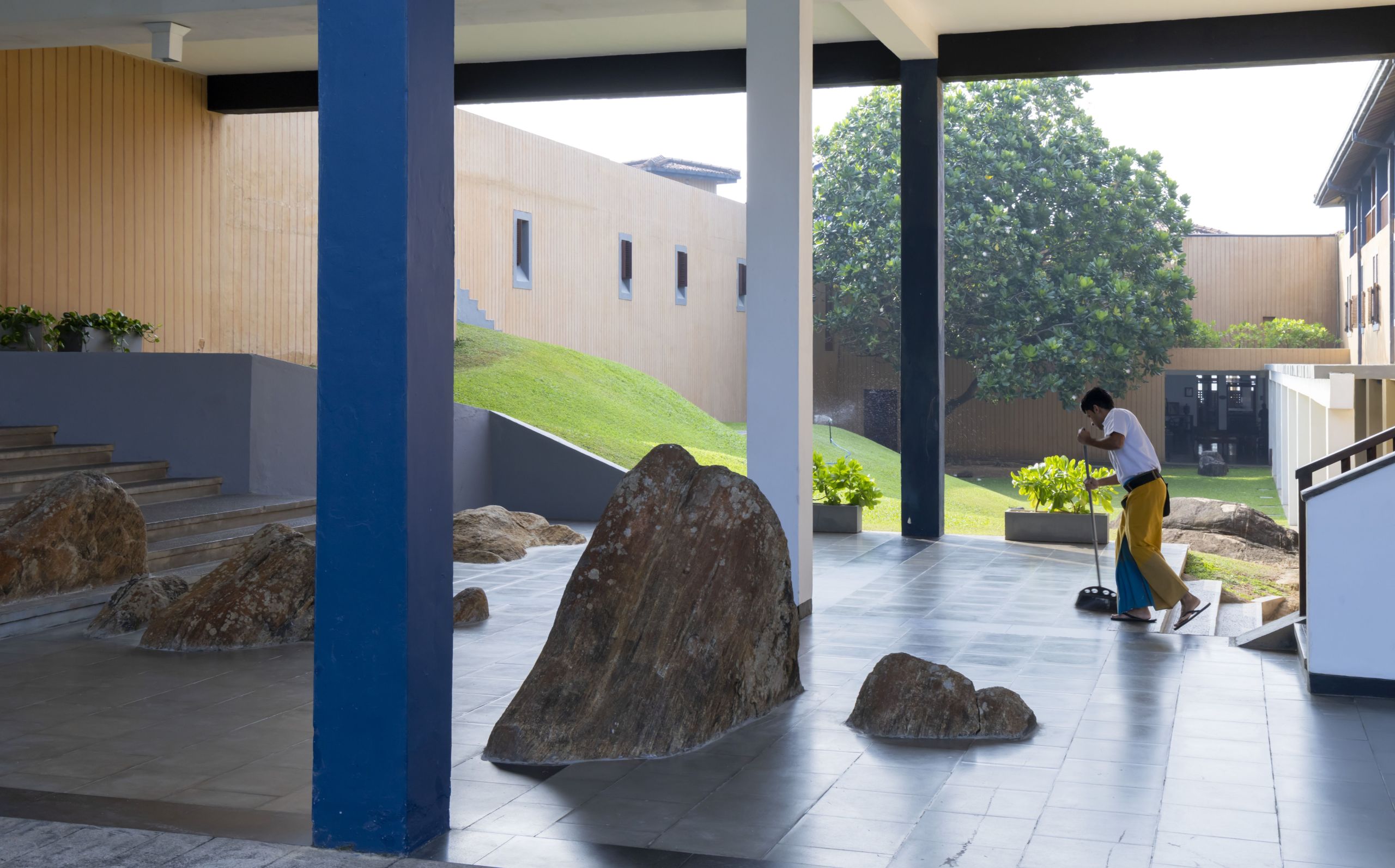
Geoffrey Bawa (1919–2003) is considered one of the most influential architects in Asia in the 20th century. Over the course of five decades, he realised more than 200 projects – ranging from private homes and schools to hotels and even the Sri Lankan Parliament building. His career path is particularly remarkable: initially working as a lawyer, he only later turned to architecture, graduating in 1957 from the renowned Architectural Association School of Architecture in London. Despite this late start, he nevertheless developed a highly distinctive architectural language that fused local materials, traditional craftsmanship and industrial production – always taking the topography of the respective location as his starting point. Bawa himself once summed up his approach: architecture cannot be fully explained, but must be experienced.
The exhibition: four rooms, a sensory experience
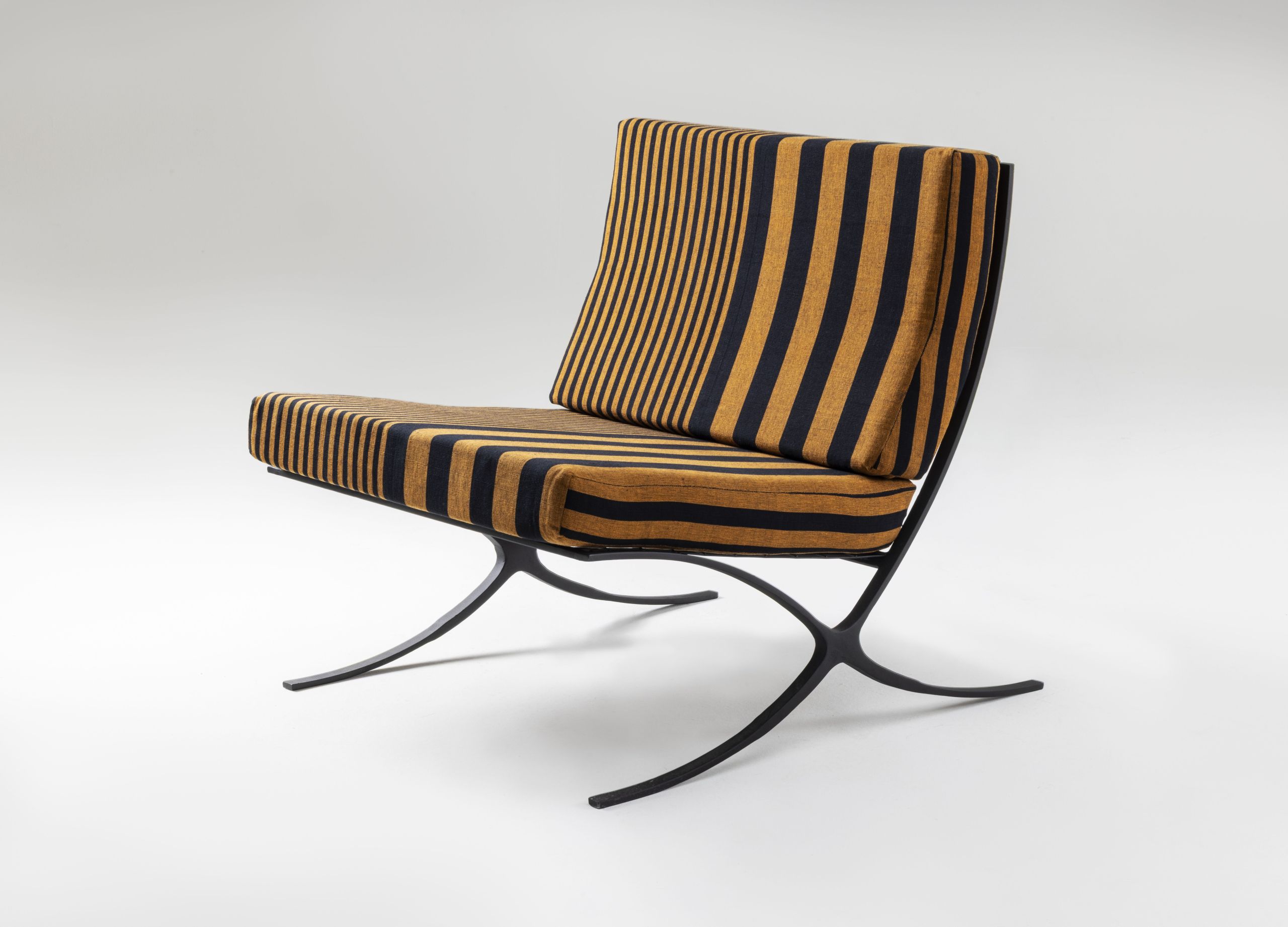
The scenography, designed by Lina Ghotmeh, divides the exhibition into four thematic rooms. The exhibition opens with Bawa’s most personal projects – his country estate Lunuganga in Bentota and his home, Number 11, in Colombo, which served as testing grounds for space, movement and atmosphere over several decades. The second room examines the political and social context of a newly independent Sri Lanka, in which Bawa viewed material scarcity and change not as constraints, but as a starting point for original solutions. The third room is devoted to the collaborative nature of his work: works by the artists Ena de Silva, Laki Senanayake and Barbara Sansoni demonstrate how closely architecture, art and craftsmanship were intertwined in Bawa’s practice – underpinned by workshops that also functioned as social initiatives.
Finally, the fourth chapter focuses on his understanding of architecture in dialogue with landscape, vegetation and climate, complemented by a video installation by Ruvin de Silva created specifically for the exhibition.
Why Bawa’s architecture is relevant again today
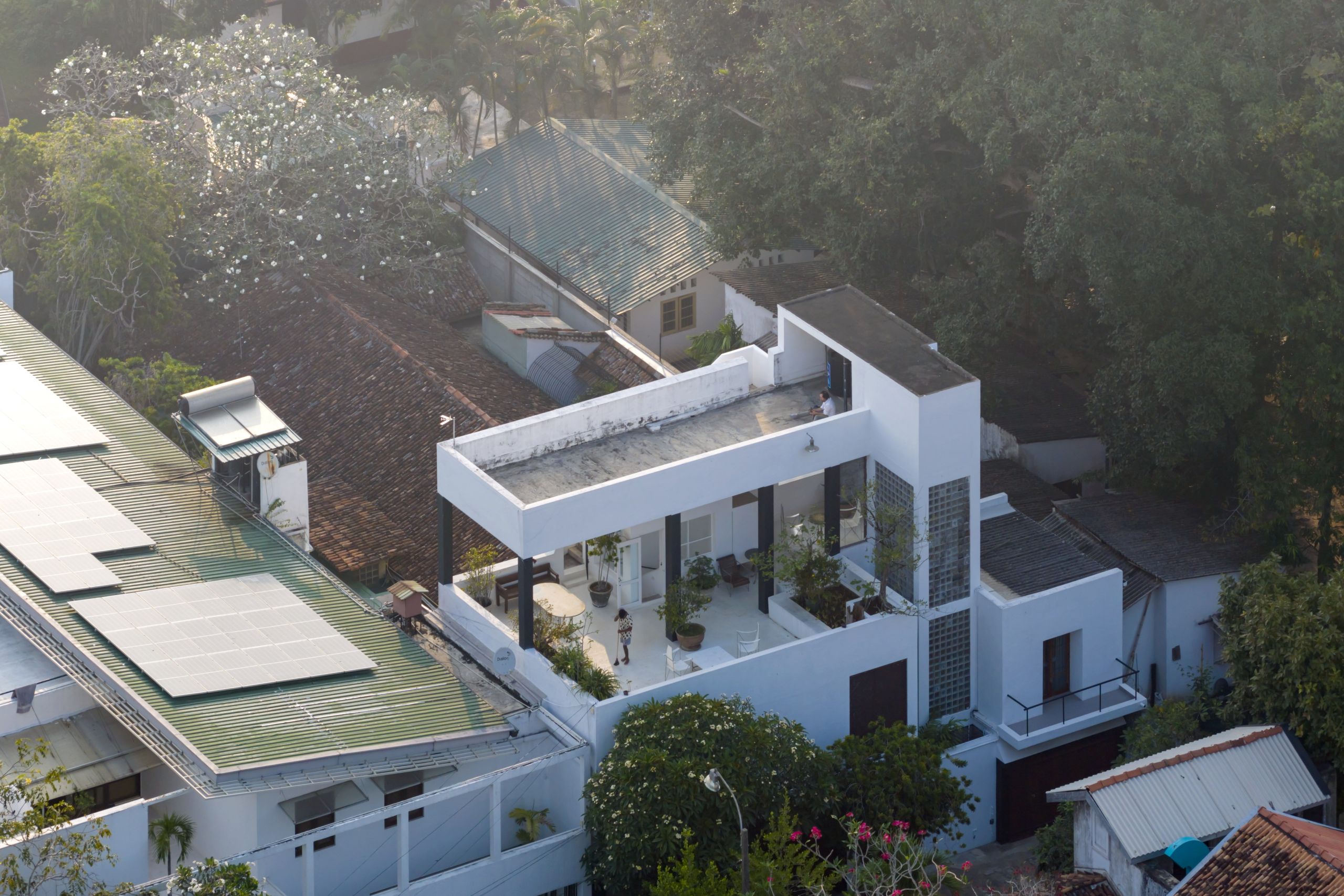
Museum director Mateo Kries classifies Bawa’s work as a unique, universally valid alternative to the Western-influenced narratives of modern architecture. It is precisely this approach – a deep understanding of sensuality, local craftsmanship and building with, rather than against, nature – that, in the curators’ view, makes Bawa an important source of inspiration for today’s world of architecture and design.
What this means for buyers and sellers of exclusive residential property
Bawa’s work impressively demonstrates what distinguishes a property from an ordinary building: a consistent engagement with the site, the light, the topography and the materials. For buyers seeking an architecturally significant property, it is precisely this perspective that is worthwhile – looking beyond mere living space to consider how a house relates to its surroundings. Such qualities, as realised by Bawa in Sri Lanka using local materials and craftsmanship, can also be recognised in Swiss properties: in how they are integrated into the landscape, in the choice of regional materials, and in the interplay between interior and exterior spaces.
For sellers, in turn, the exhibition demonstrates how valuable it is to highlight a property’s architectural history and distinctive character and to communicate these effectively in the marketing, rather than reducing it to mere square metre figures.
Why a specialist estate agency is worthwhile
This is precisely where the added value of an estate agency with experience in the segment of architecturally sophisticated properties becomes apparent. A property with high design value requires a marketing approach that understands and correctly contextualises its unique features – from the architect’s signature style and the materials used to the building’s relationship with the landscape and its surroundings. Anyone selling such a property benefits from a network that reaches the right clientele for exceptional architecture and can credibly convey its value. Conversely, anyone seeking an architecturally significant property is better advised to use a specialist estate agency rather than a general provider – because not every professional immediately recognises what distinguishes a house in terms of architectural heritage or the potential offered by careful redevelopment of an existing property.
Practical information
The exhibition “Geoffrey Bawa. Architecture for the Senses” is on display at the Vitra Design Museum in Weil am Rhein from 26 September 2026 to 28 February 2027, daily from 10 am to 6 pm.
Public guided tours take place every Saturday in English and every Sunday in German. On 25 February 2027, exhibition designer Lina Ghotmeh will also give a public talk on her architectural philosophy and its connection to Bawa’s work.