

Art Nouveau is still very much in demand.
27.01.2026Art Nouveau builds on tradition and remains modern. It combines architectural quality with lasting value. Art Nouveau houses are rare, in demand and a good long-term investment. They appeal to buyers who do not speculate but make conscious choices. This makes real estate an investment with character.
Art Nouveau – timeless elegance as a stable investment
There is architecture that follows fashion cycles. And there is architecture that defies them. Art Nouveau undoubtedly belongs to the second category. More than a hundred years after its heyday, it seems neither nostalgic nor museum-like, but astonishingly contemporary. For discerning buyers – and for investors with vision – Art Nouveau architecture is therefore much more than an aesthetic statement: it is a lasting promise of value.
The spirit of the Gründerzeit: new beginnings, quality, individuality
Art Nouveau emerged around 1900, during a period of economic dynamism and social reorientation. Art historians have various theories about the origins of this style; one of them sees the Swiss Hermann Obrist as the founder of the Art Nouveau movement. The Gründerzeit period was characterised not only by industrial expansion, but also by a new self-image among the middle classes. Architecture was no longer to be a mere shell, but an expression of lifestyle, education and individuality.
Typical features of Art Nouveau buildings from this era include generous ceiling heights, carefully proportioned floor plans and a level of craftsmanship that is virtually impossible to reproduce today. Stucco work, floral ornaments, artistically forged railings, leaded windows and handmade door fittings were not merely decorative, but an integral part of the overall architectural concept.
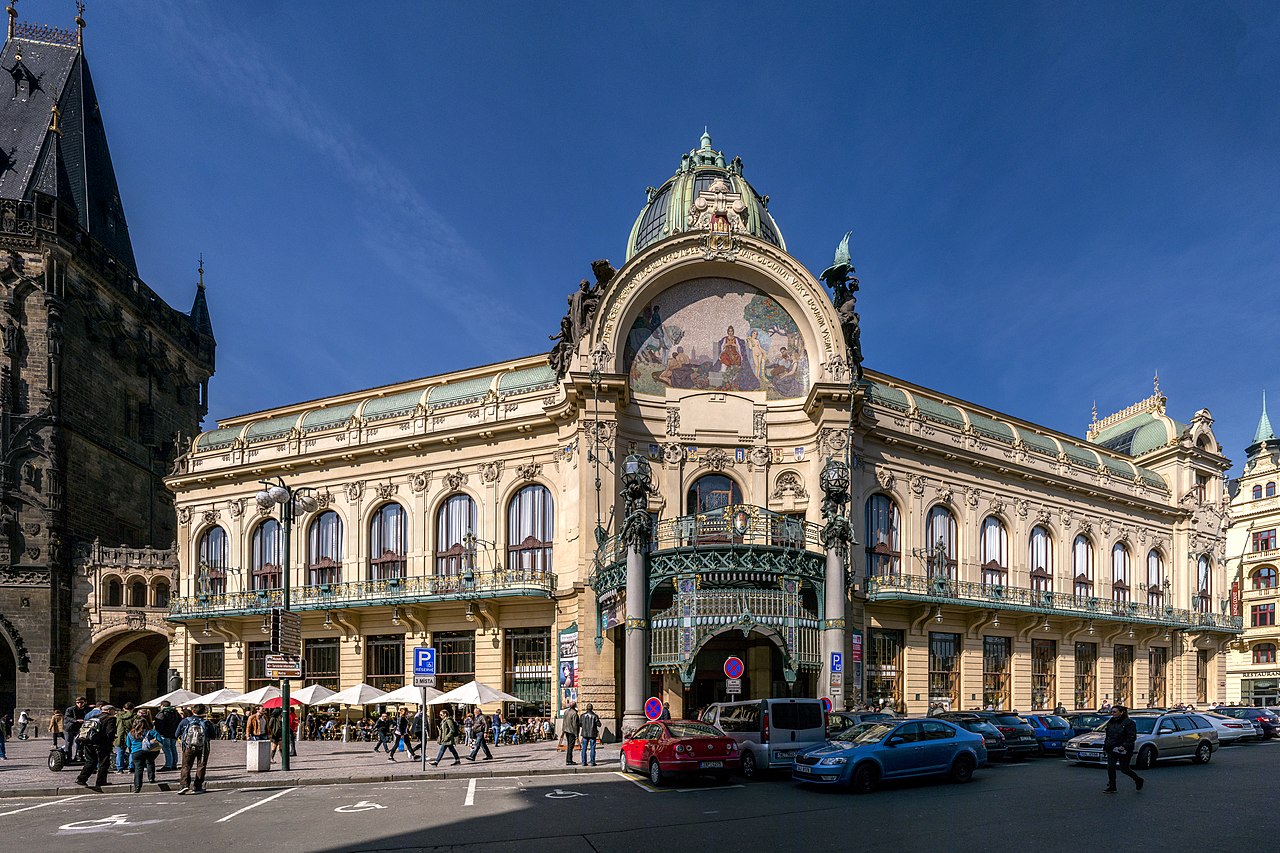
Cities such as Vienna, Zurich, Paris, Brussels, Munich, Turin, Helsinki, Prague, Riga, Barcelona, Melbourne, Buenos Aires, Mexico City, Tbilisi and Berlin still have entire neighbourhoods or outstanding magnificent buildings in which this attitude remains palpable: properties that were designed not for maximum exploitation, but for durability and dignity.
Why Art Nouveau is highly relevant again today
In an age characterised by standardisation, modular construction and efficiency, there is a growing longing for identity and authenticity. This is precisely where Art Nouveau continues to be relevant today.
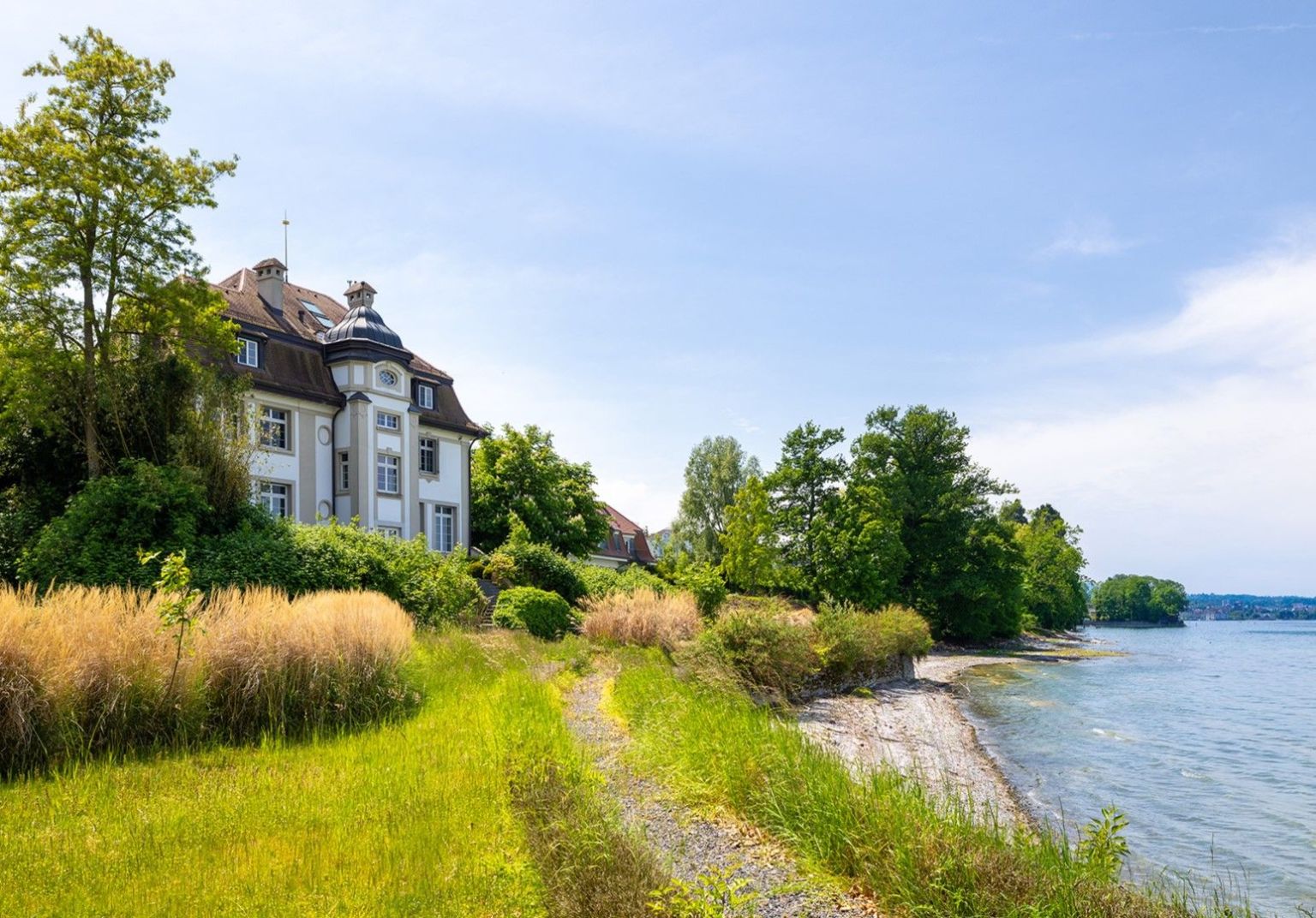
Its design language is organic rather than dogmatic, sensual rather than technically cool. Lines follow movements, not grid patterns. Rooms appear composed rather than optimised. This corresponds to today’s attitude to life, which values quality over quantity and individuality over interchangeability.
Contemporary quality architecture is reviving this approach. Today’s high-quality new buildings once again feature curved lines, ornamental façade elements, handcrafted details and a conscious choice of materials – often as a subtle reference to Art Nouveau, interpreted with modern means. Projects in Paris, Barcelona and Swiss cities show that the spirit of Art Nouveau has not passed away, but lives on – transformed, not copied.
Investments with substance: the financial added value
From a financial perspective, Art Nouveau properties have been among the most stable segments in the high-quality residential and investment sector for years. The reasons for this are convincing:
Firstly, supply is naturally limited. Art Nouveau buildings are unique, cannot be reproduced and are often listed as historic monuments. This scarcity ensures long-term value retention and price stability.
Secondly, they appeal to a wealthy, quality-conscious clientele – buyers who are not primarily purchasing square metres, but atmosphere, history and architectural integrity. In urban locations in particular, renovated Art Nouveau properties achieve above-average prices and low vacancy rates.
Thirdly, market observations show that Art Nouveau properties are better able to cushion economic fluctuations than many contemporary standard buildings. Their appeal is less dependent on trends and more emotionally anchored – a factor that should not be underestimated in the premium segment.
Aesthetic added value: living with style
In addition to all the economic arguments, one aspect remains central: aesthetic quality. Art Nouveau rooms have a naturalness that cannot be planned, but rather felt. Light falls differently through high windows, proportions appear calmer, materials age gracefully.
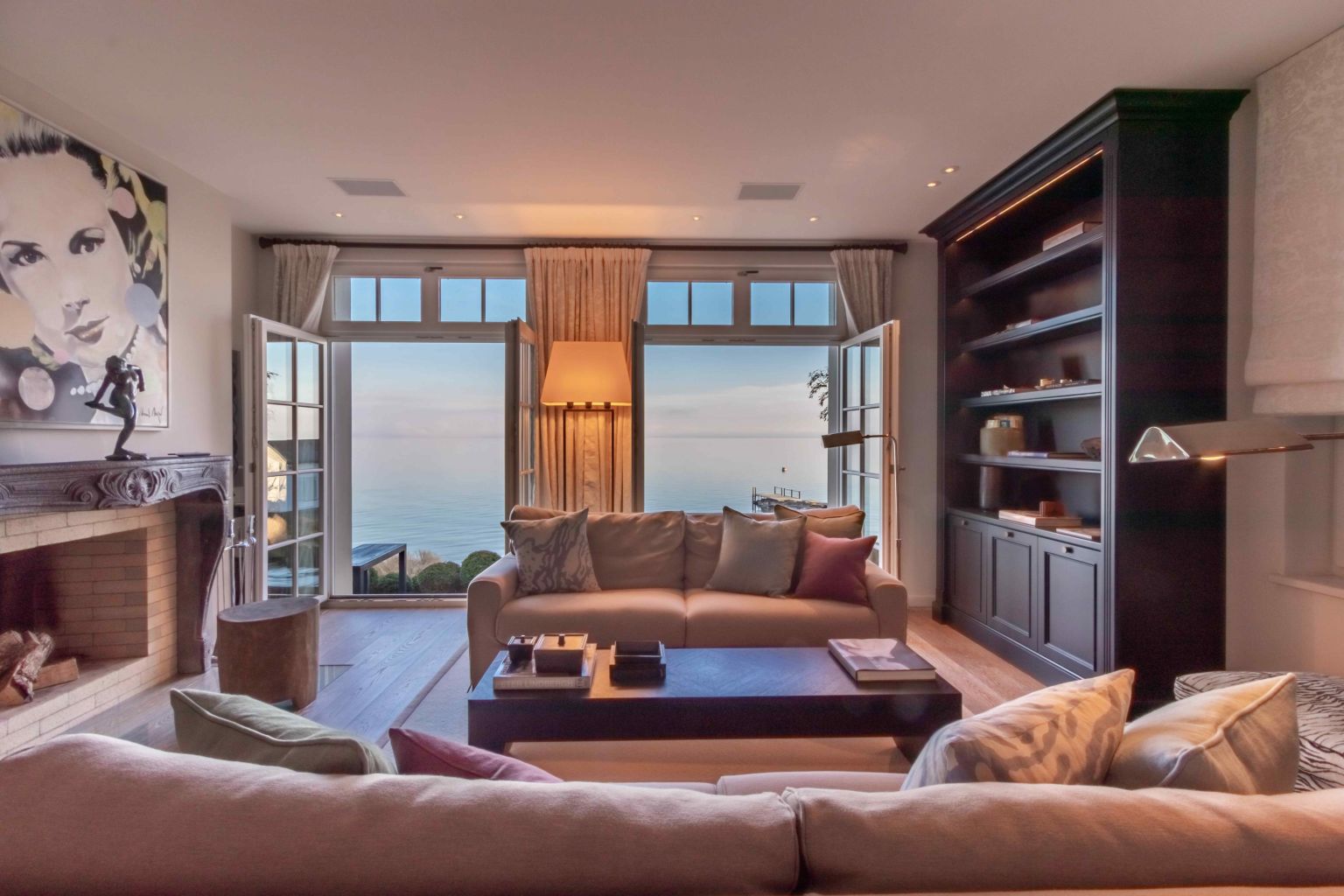
Lovers who invest in an Art Nouveau building make a conscious decision against arbitrariness. It is an attitude: an appreciation for craftsmanship, for architectural narratives and for rooms that are more than just functional spaces.
This attitude is becoming increasingly important, especially in the upmarket segment. Today, exclusivity is defined less by size than by character. And Art Nouveau has character in abundance.
Conclusion: the past with a future
Art Nouveau architecture is not a look back, but a connection between history and the present. It combines aesthetic depth, cultural significance and economic stability in a rare way. For estate agents in the higher price segment, it is therefore not only a selling point, but a promise of quality.
Investing in Art Nouveau buildings is worthwhile – because they remain when other things pass. And because true elegance never goes out of fashion.
Currently on offer – Art Nouveau find right on Lake Constance
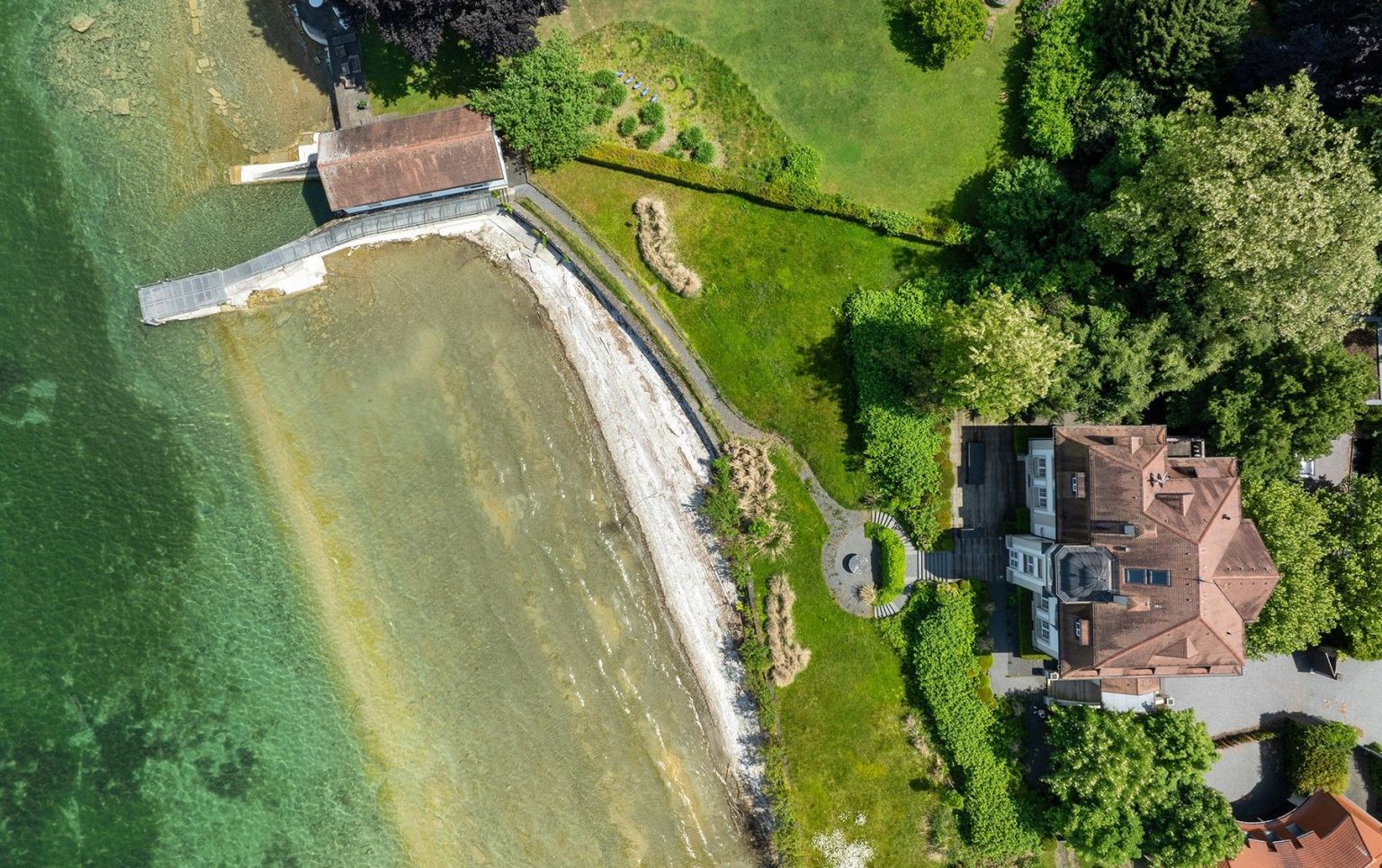
Exclusive Art Nouveau villas are rare – and those with lakefront access and their own boathouse are in high demand. We at Wüst und Wüst are therefore particularly proud to currently have a unique property on the shores of Lake Constance on offer, which combines historical charm with modern luxury and the highest level of living comfort in an incomparable way.
Mr Thierry Goetz, Head of Wüst und Wüst Pfäffikon/SZ, knows all the details and will be happy to advise you. Please get in touch with him.